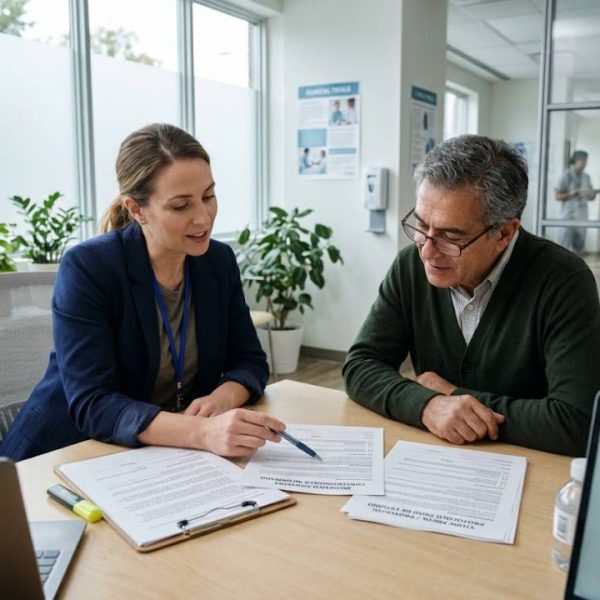
A clinical trial that runs in five countries speaks at least five languages. Participants must understand what they agree to, investigators must follow the same protocol and regulators must trust every document. Translation is not a side task. It is part of the study design.
Why language matters in trials
Mistakes in a consent form can invalidate a participant's decision. Differences between protocol versions can cause deviations and delay approvals. A well managed translation process reduces these risks and protects participants.
Documents that need translation
Common examples include informed consent forms, patient information sheets, protocols and amendments, investigator brochures, recruitment materials, diaries, questionnaires, safety letters and labels. Regulatory submissions and ethics committee files may also require local language versions.
Each country has its own rules about which documents must be translated and who must approve the result.
Patient facing text must be clear
Participants are not medical experts. The text must be accurate, and also easy to read. Short sentences, familiar words and a clear structure help people decide with confidence.
A consent form is only valid if the participant truly understands it.
Specialist translators are essential
Medical and regulatory vocabulary is dense. Choose translators who know clinical research and who use approved terminology. For documents that authorities or ethics committees ask to see in an attested form, certified translation services provide a signed statement confirming that the text is complete and accurate.
Outcome assessments and questionnaires
Patient reported questionnaires and rating scales need more than a plain translation. They are tools that measure results, so every word can affect data quality. Our article on clinical outcome assessment translation explains the usual steps, including forward translation, reconciliation and cognitive debriefing.
Consistency across languages
The same concept must have the same meaning everywhere. A glossary and translation memory help keep terms identical across protocol versions and countries. Update them each time the source document changes.
Version control is critical
When a protocol is amended, all language versions must follow in the right order. Keep a log that records which version is valid in which country and when approvals were granted. Using outdated text at a site is a serious compliance risk.
Back translation and review
For high risk documents, back translation can reveal differences in meaning. A second translator turns the new text back into the source language, and the result is compared with the original. Reviewers then discuss any discrepancies.
Cultural adaptation
Examples, units and habits differ among countries. A diary that asks about meals or exercise must fit local routines. Adapt carefully without changing the scientific meaning.
Ethics committees and authorities
Each committee may have its own templates, wording and deadlines. Plan time for review cycles, and keep the translator close to the process so changes can be implemented quickly.
Public registries such as ClinicalTrials.gov show how studies are described and give a sense of the language that sponsors use for public information.
Confidentiality and data protection
Trial documents contain sensitive data. Work only with providers that sign confidentiality terms, store files securely and follow data protection rules. Avoid public online tools.
Planning timelines
Translation, review and approval take time. Start as early as the protocol allows, and include the schedule in your trial plan. Late changes lead to costly delays.
Choosing a partner
Ask about experience with trials, quality systems, specialist teams and the ability to manage many languages at once. A single project manager who knows your study makes everything easier.
Recruitment materials and advertising
Posters, brochures, social posts and web pages that invite people to join a study need special care. Many authorities must approve them, and the wording must not promise results or exert pressure. Translators should keep the neutral tone of the original and avoid any added claims.
Test the final text with a small group of local readers to see whether it is clear and respectful.
Safety reporting and communication
During a trial, sites send safety letters and updates that must be understood quickly. Prepare templates and translate them in advance when possible. Fast, accurate communication supports patient safety and keeps investigators informed.
Labels and packaging
Investigational product labels follow strict rules. Space is limited and terms are standardized. Translators must work with regulatory staff to be sure each line meets local expectations and fits the packaging.
Working with sites and investigators
Local investigators know how patients speak and what confuses them. Invite their feedback on translated materials and collect it in a structured way. These comments improve future versions and show respect for the site team.
Training the project team
Everyone involved should know where to find approved translations, how to request changes and who signs off. A short guide, shared at the start of the study, avoids mistakes and speeds up daily work.
Documenting the process
Keep records of translators, reviewers, dates and approvals. During audits, this documentation proves that the study followed good practice and that every language version was controlled.
Final thoughts
Good translation protects participants and the quality of data. With specialist linguists, structured reviews and clear version control, global studies can run smoothly in every language.